The chair may look ordinary, yet its placement decides whether seated practice feels settled or awkward. For anyone exploring tai chi workouts for the elderly while learning the basics, the practical goal is to work in a pain-free range and allow the motion to warm gradually instead of pushing for a deeper stretch. The routine should fit the person practicing, not the other way around.
Set Up a Safe Starting Position
Choose a firm chair that does not roll, swivel, or fold unexpectedly. Place it on a level surface. Sit far enough forward to plant both feet, yet keep enough seat beneath you to feel secure. Clear bags, rugs, pets, and low furniture from the reach of your hands and feet. For this standing or seated session, take a few ordinary breaths before deciding whether the position feels right. Small setup changes now can prevent repeated adjustments later.
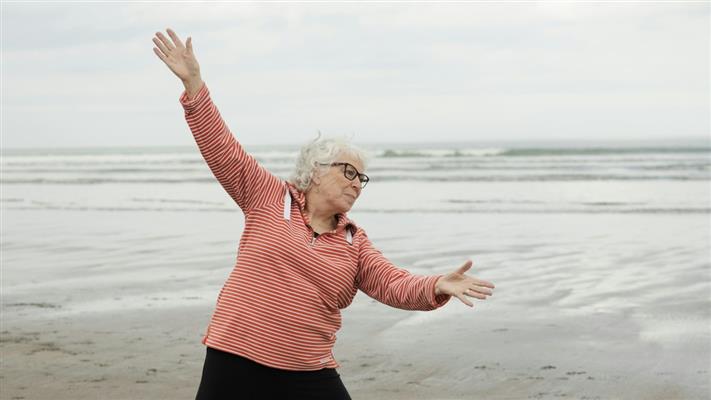
Use one simple pattern for several comfortable repetitions. For example, float both hands forward, pause briefly, and return them to the lap. The return matters as much as the lift. Keep the fingers soft and the elbows slightly bent. Keep the eyes softly forward unless a particular movement calls for a gentle turn. Moving slowly is useful only when the body remains relaxed and the breathing stays natural.
Check the Chair and Floor
For a shorter version, practice posture, three slow hand lifts, and a relaxed breathing pause. That still creates a clear routine. On a better day, repeat the set or add a gentle turn. The plan can expand and contract like an accordion. This matters especially here because the day’s focus is to work in a pain-free range and allow the motion to warm gradually instead of pushing for a deeper stretch. Personal range can vary from morning to evening, and the practice can change with it.
Keep the sequence recognizable. Constantly changing videos or instructions can make practice feel like studying for a surprise exam. Learn a few motions, then vary the duration or number of repetitions gradually. A routine that is easy to restart after a missed day is more practical than one built around perfection. Simply return to the first comfortable motion.
A Practical Safety Pause
Treat the first minute as a systems check. Notice breathing, vision, dizziness, pain, and general energy. Anyone with a condition that affects safe exercise can ask a qualified health professional how to adapt the routine before starting. Then rehearse the opening and closing steps once without adding extra repetitions. Knowing how to stop smoothly is just as useful as knowing how to begin.
Coordinate easy breathing with the hands, but avoid holding the breath to match a count. A person may inhale as the arms open and exhale as they return. If that feels forced, breathe normally and concentrate on smooth movement instead. Watch for unnecessary gripping in the fingers or jaw. A softer effort often makes the path of the hands easier to follow.
Stop if movement causes sharp pain, chest discomfort, unusual shortness of breath, faintness, or sudden weakness. Seek appropriate medical help when symptoms warrant it. General exercise guidance cannot replace personal clinical advice. Finish by noticing how the body responds over the next few minutes. That observation can guide the length and range of the following practice.