What makes this sort of satisfaction is seeing a stranger on a bus with a bag with your company logo on it. Unpaid, unprompted, all organic – a person doing his or her daily activities with your brand on the ride. It is not a coincidence that occurs that moment. It occurs because somebody chose to invest in a product that is worth retaining, and that is the main reason why the success of promotional bags UK companies are placing continues to beat by far any other type of branded merchandise in the real-life aspect of visibility and viability. A bag gains a spot in the life of the person by being useful, an accomplishment that most promotional items will never accomplish however brilliant the idea behind it, or how much money is put into the opening design brief.
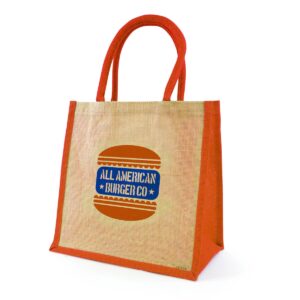
The content of a bag communicates considerably prior to a person having read even one word of the branding printed on it. Heavy cotton canvass seems thoughtful and robust – there is a solidness in the hand but it is as though a brand has made a quality decision and not just procured the cheapest available opportunity. Jute is true-to-life and has a kind of unrefined appeal that appeals especially to food brands, independent retailers, and any company that desires to have an artisanal or local image. The recycled PET fabric made of post-consumer plastic bottle companies has a great back story in-finished in the product itself – a story that the recipients actually repeat, creating word-of-mouth brand awareness at no extra cost whatsoever. Polypropylene non-woven is still a clever and cost-saving option when it comes to high volume orders with tight budgets but still requiring visual appeal since it can hold vibrant print colours in thousands of units without making the per-unit price too high.
The concept of sustainability is the prism through which an increasing number of British consumers research all brand interactions, and promotional merchandise is squarely in that frame. This decision to use certified organic cotton or responsibly sourced goods is now a luxury gimmick, rather than an exclusive one, and the audiences are increasingly attentive to the distance between what the brands claim and what they actually create. A bag created out of recycled or organic materials provides the recipient with a physical object of the evidence that the values of a brand are not merely rhetoric. That evidence is everywhere that the bag goes, which in an ordinary week could be a commuter train, a lunch place, a school gate and a marketplace on a weekend. All of those places are brand impressions that have no media investment attached to it.
One of the more difficult lessons of promotional merchandise is design restraint and the difficulties are most apparent in bags. It is quite natural but always unhelpful to have an urge to cram every available surface with contact information, social handles, slogans, and secondary logos. Citizens are seen wearing bags, and a bag that is seen as messy or desperate is taken into the background and performed at best under closed doors and at worst, retired quietly. One and bold logo, with text that can just be read at arm length – that is what the design brief can give a bag that someone will carry voluntarily to a meeting, to a cafe or to a market on a weekend without a second thought. The method of printing is also important: screen printing produces clear and washable images on cotton and canvas, while embroidery gives the bag a sense of touch and the corporate gifts an air of treasured value.
Scale-based ordering drills down the unit cost and stretches the financial argument into the realm that most paid channels of advertisement can hardly reach. The average bag that is worn three or four times per week in eighteen months creates hundreds of brand impressions in different places and different people all out of one production run. New employee welcome packs, long-service reward schemes on long-term customers, gifts at sponsored community activities, packages with product introductions – the implementation possibilities are all over the year to any company that is attentive enough to notice them. Get the material correct, maintain the design clean, devote to a decent quantity and a promotional bag ceases being an expense and become infrastructure.