Video used to be a slow craft. You required some editing program, stock footage, possibly a microphone that was not as loud as your 2008 laptop. Then hours were spent clipping and adjusting timing and pushing text layers in place. Things, today, are quite different. With the help of an AI generated video tools, a basic prompt can be converted into a complete video in a much shorter time than what a typical user can spend in the editing timeline.
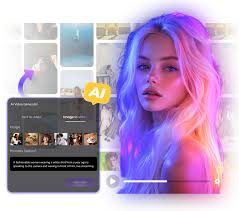
The initial experience with one of such tools is almost cheating.
You type a short idea. It could be a product description, it could be a paragraph on a blog or even a scribble that you wrote at a coffee break. The system constructs scenes, transitions, voice over and images within seconds. It is not as like editing, it is more like directing. You are issuing orders and the machine does the menial job.
That is the reason why individuals who had never even touched the video editing are publishing videos all over.
Short marketing clips. Explainer videos. Social media reels. Even quick YouTube content.
The majority of AI generators of videos operate on text. You give a couple of sentences on what the video ought to say. The program then aligns the script to images, backdrop music and rhythm. Other sites go even further to include realistic AI voices that sound quite natural. Not ideal, but it is close enough that the viewers seldom doubt it.
The speed with which the process of creativity increases is also interesting.
You stop overthinking.
You never have to use two hours to adjust a transition you simply regenerate the scene. In case the tone is not correct, slightly alter the script and re-run. A new version is obtained after five minutes. It makes video making an experiment as opposed to a lengthy technical process.
Marketing teams love this.
It is the favourite of small businesses.
The local shop owner is able to produce promotion videos without the services of an editor. Articles can be translated into visual work by bloggers. Even teachers are resorting to AI-created videos to depict something in fast visuals. Overnight, the entrance barrier was lowered.
Naturally, the videos are not always impeccable. At times the graphics are generic. There is sometimes a slight misstep in the pacing. Nevertheless, the vast majority of viewers that scroll through the feeds on social platforms are not in need of a cinematic perfection anyway. They desire rapidity in information.
The pace is more important than the finish.
Creative momentum is the other advantage that people seldom refer to. The tools are complex and this can be interruptive of ideas on traditional editing. Under AI, the work process remains straightforward. Write a script. Generate a video. Adjust. Publish.
That beat makes things go on.
This has seen some creators go to the extent of making several versions of the video using the same script. One of them may be employed to work at Tik Tok, another one at YouTube Shorts, and another one at a web page landing. They do not waste days on format editing, they create multiple versions and select the appropriate one.
Weirdly enough, the most significant change is not technical.
It’s psychological.
Individuals who previously believed that video production was too complex now consider it as simple as when writing a social post. Just open a tool, type an idea, wait several seconds and there is a video that can be published.
And frankly speaking, after trying such workflow, it is painfully slow to go back to conventional editing.