Everything is captured in the photographs. Drawing portrays what is important. That difference is philosophical, but it carries practical significance, a sketch begins to remove the visual noise and makes one focus on structure, expression, and form. Image-to-sketch converters on the internet have enabled people to do such a distillation process with just a browser and a good photo. Read more here: https://imgedit.ai/blog/ai-and-online-hand-drawn-photo-sketch-converter-dreams/
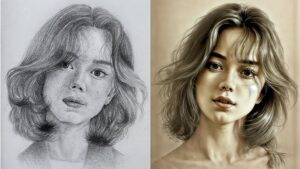
This technology is based on contrast and edge data and reads your image. In the places where light and shadow intersect, where one thing stops and the other one is initiated–they make lines. The algorithm is not an artist, but it recreates the process of decision-making very effectively to generate the results, which, in fact, surprises people.
This is not the case with all of the tools.
Other converters have one processing pass, and they consider it finished. Those are better allowing to change the line sensitivity, stroke weight, and shading density. Such a control gap is crucial depending on what you are going to use. A sketch to use as reference to a tattoo must have clean, confident lines. A portrait conversion as a warm personal gift is better with softer and more atmospheric strokes. The same image, totally different needs.
This is the point at which individuals always fail: they post a low-contrast image and then criticize the tool to a poor output. The algorithm is only able to do what it gets. A two-dimensional, well-illuminated picture leaves it practically without something to read. The converter is merely throwing his hands up and coming up with something to forget. Take or choose a photo with a high directional light, an area that has a distinct subject and there is minimal clutter on the background. That preparation is more work than any environment in the tool itself.
Portrait conversions have the best performance on most platforms. There is structural logic in faces, a lot of bone-created edges, proportions, focal points. A face is read more easily than a forest full of trees or a stack of clothes is read. Take a portrait through it first, in case you are trying a new converter. The outcome of that is more informative than any demo picture on their home page of what the tool can actually do.
There has been an increase in variety of style. Pencil drawing, inkwork, charcoal, even crosshatching in aped illustration; the possibilities now range over truly disparate aesthetic space. Crosshatch rendering, e.g., introduces portraits with an almost antique editorial feel to them. Intimate and personal are soft pencil styles. It is not overthinking to make an intentionally selected choice between them. It is a distinction between something you portray and something you overlook.
Online sketch converters are generous with their reward of users who come with good source material and clear creative intent. The instruments have won their rights. The rest is up to you.