You will not find metal roof panels on many barns these days, at least not in the way they used to be. They have put that old reputation behind them and are now a common sight on everything from modern architectural ventures and retail spaces to mountain cabins and your average suburban home. Homeowners are won over for a simple reason: they do their job without you having to baby them.
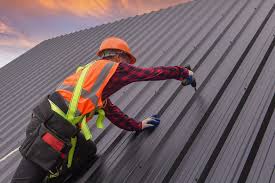
Durability is the first thing most people notice. A well made metal roof has a resilience to it; it will put up with hard rain, hail, high winds and the full force of the sun. You can count on an asphalt shingle to eventually curl or shed its granules, but metal panels stand their ground. In a sense, they are the marathon runners of the roofing world, built for the long haul.
Then there is the matter of weather. The smooth surface of the panel lets water run off and makes it easier for snow to slide away. In the colder parts of the country, you don’t want to be looking out the window after a bad storm and thinking your roof is lugging around a small glacier.
Energy costs are another factor in the decision. Some of the better metal products will reflect the sun’s heat like a pair of sunglasses on the house. That means less of it gets into the structure and your air conditioner doesn’t have to labor as much in the summer.
As for looks, you might be surprised. It is no longer just an industrial affair. There are panels in all sorts of colors and profiles to suit any design. You can get something that stands in for slate or wood, or even a standing seam to give a contemporary building some clean lines. If you prefer a rustic feel, corrugated is the way to go.
How you put it on depends on what you are after. Standing seam is popular for its sleekness; the fasteners are hidden so moisture isn’t an issue around the screws. An exposed-fastener type will cost you less and goes up faster. Your climate and budget will tell you which is right. But once it is on, you are done with it. Most owners have far less to worry about in the way of maintenance than they would with conventional materials, though a once in a while check for loose bits or branch damage is wise.